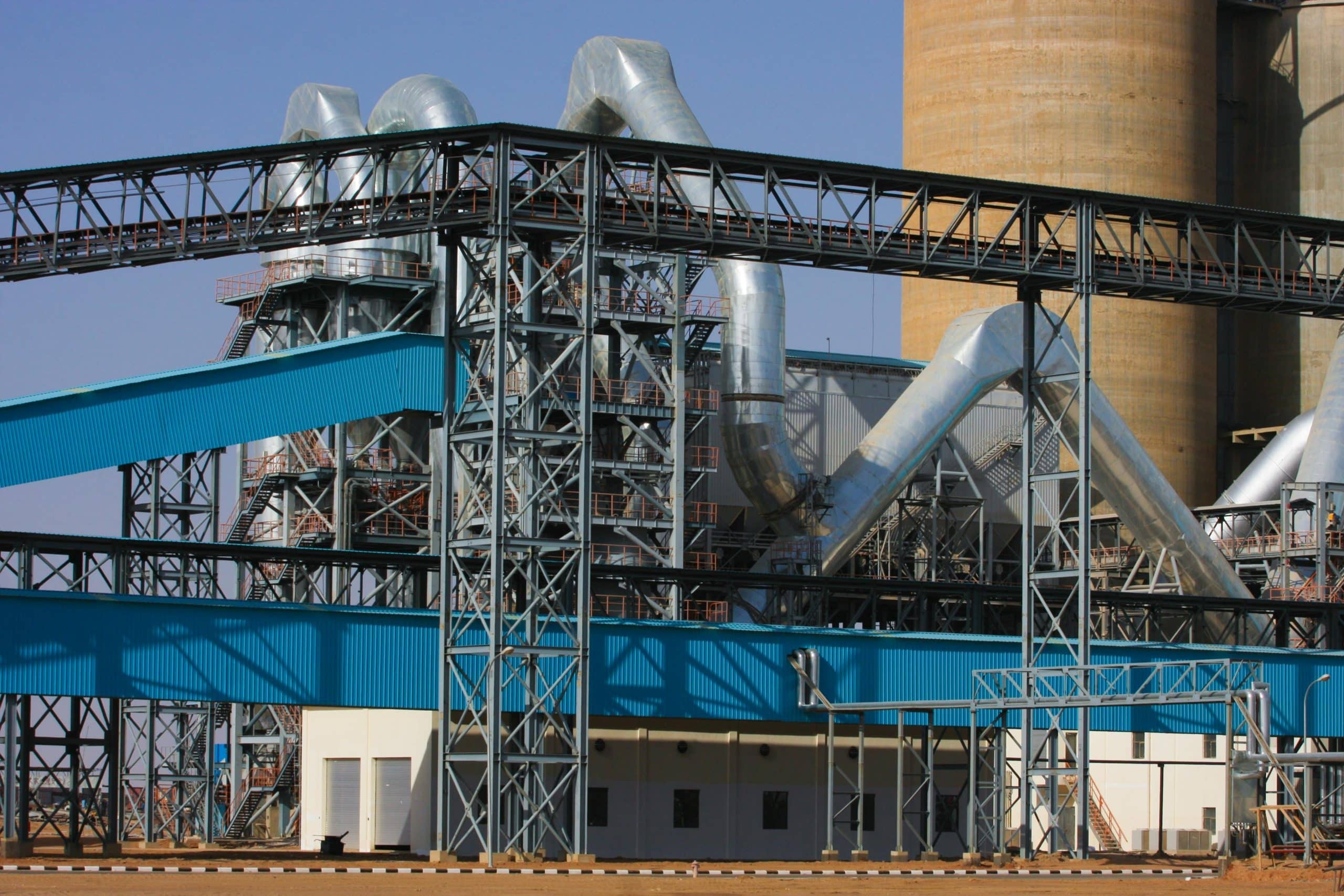
Pipe Conveyors: Efficient Solutions for Bulk Material Handling

Pipe Conveyors: Efficient Solutions for Bulk Material Handling

Pipe conveyors represent a significant advancement in bulk material handling technology. Unlike traditional conveyors, these systems encase materials in a tubular structure, which enhances both efficiency and safety. As industries face increasing demands for effective material transport, pipe conveyors have emerged as a reliable solution that meets the challenges of modern manufacturing and logistics.

One of the standout features of pipe conveyors is their ability to transport a wide range of materials—ranging from granular substances like coal and grain to more complex products. This versatility allows them to serve various industries, including mining, agriculture, and waste management. The enclosed design minimizes spillage and dust emissions, addressing environmental concerns while maintaining high material integrity.

Pipe conveyors can navigate challenging terrains and tight spaces. Their flexible design allows for curves and inclines, making them ideal for facilities where space is at a premium. This adaptability enables operations managers to optimize layout and workflow, ultimately leading to increased productivity.

Moreover, safety is a primary consideration in any industrial setting. By enclosing the material, pipe conveyors reduce the risk of accidents and protect operators from potential hazards associated with open belt systems. This feature not only enhances workplace safety but also complies with stricter regulations regarding material handling.

Pipe conveyors offer an efficient and safe method for transporting bulk materials. Their innovative design and versatility make them a critical component in improving operational efficiency across various industries. As we delve deeper into this article, we will explore the specific advantages and applications of pipe conveyors, providing insights that can help industrial engineers and operations managers make informed decisions.


How Pipe Conveyors Work

Pipe conveyors represent a cutting-edge solution for transporting bulk materials efficiently and securely. Unlike traditional belt conveyors, which expose materials to environmental elements and spillage, pipe conveyors enclose the material within a tubular structure. This design not only enhances safety but also improves overall operational efficiency.

The mechanism of a pipe conveyor is relatively straightforward. At its core, the system consists of a belt that is formed into a pipe shape. This belt is typically made of a series of rubber layers reinforced with fabric or steel cords, providing strength and flexibility. As the conveyor operates, the belt is driven by pulleys located at both the loading and discharge ends. The belt wraps around these pulleys, allowing it to maintain its tubular shape throughout its journey.

Loading begins at the feed point, where the bulk material is introduced onto the conveyor. Here, a specialized loading system ensures that the material is evenly distributed along the conveyor belt. This even distribution is crucial, as it helps maintain the integrity of the pipe shape and prevents overloading, which could lead to material spillage or conveyor malfunction.

Once the material is loaded, the conveyor belt moves forward, transporting the bulk goods within the protective confines of the pipe. This enclosed design minimizes dust and noise pollution, creating a cleaner working environment and reducing the impact on nearby communities. Furthermore, because the material is protected from external factors like wind and rain, pipe conveyors can operate efficiently in various weather conditions.

One of the key features of pipe conveyors is their ability to navigate complex terrains. They can be designed to travel around curves, ascend steep inclines, and avoid obstacles, making them ideal for applications in rugged landscapes or densely populated industrial areas. The adaptability of pipe conveyors allows for a more flexible layout compared to traditional systems, where straight paths are often necessary.

Another advantage is the reduced need for transfer points. In traditional belt systems, materials often require transfer from one conveyor to another, which increases the risk of spillage and material degradation. Pipe conveyors eliminate many of these transfer points, allowing for continuous material flow from start to finish. This streamlined process not only enhances efficiency but also reduces operational costs associated with maintenance and repairs.

Maintenance of pipe conveyors is generally straightforward. Regular inspections and proper lubrication of the moving parts help ensure longevity and efficiency. The enclosed design also protects the belt and components from environmental wear, reducing the frequency of repairs compared to open conveyors.

The versatility of pipe conveyors makes them suitable for a wide range of materials, from powders and granules to larger aggregates. Industries such as mining, agriculture, and manufacturing have successfully integrated pipe conveyors into their operations to enhance material handling efficiency.


Advantages of Pipe Conveyors

Pipe conveyors offer numerous benefits, including reduced spillage, greater flexibility, and enhanced safety. Additionally, choosing a quality conveyor belt supplier is crucial for ensuring the reliability, efficiency, and longevity of your material handling systems. A trusted supplier can enhance the overall effectiveness of your conveyor system, ensuring it performs optimally in various conditions.

One of the standout benefits of pipe conveyors is their ability to protect materials during transport. The enclosed design prevents spillage and minimizes dust emissions, which is particularly important in industries handling fine powders or hazardous materials. This containment leads to a cleaner work environment and reduces the risk of environmental pollution. By keeping materials secure, companies can maintain compliance with environmental regulations and enhance their sustainability efforts.

Another significant advantage is the flexibility in layout. Pipe conveyors can navigate complex routes, including tight curves and steep inclines, which traditional conveyors often cannot manage without extensive modifications. This adaptability allows for efficient use of space, making them ideal for crowded industrial sites or areas with physical obstacles. As a result, organizations can optimize their operations without the need for costly construction or reconfiguration.

Cost efficiency is another critical benefit. While the initial investment in pipe conveyor systems may be higher than traditional conveyors, the long-term savings often outweigh these costs. Reduced maintenance requirements play a big role in this. The enclosed nature of pipe conveyors protects components from environmental wear and tear, decreasing the frequency of repairs. Additionally, the design minimizes the number of transfer points, which are notorious for causing material loss and damage. Fewer transfer points mean lower operational costs and improved overall efficiency.

Safety is a priority in any industrial operation, and pipe conveyors enhance safety in several ways. The enclosed design reduces the risk of accidents related to material spillage or exposure to harmful substances. Employees face fewer hazards from moving parts and falling materials, creating a safer working environment. Moreover, the noise levels are generally lower compared to traditional conveyors, contributing to improved worker comfort and productivity.

Pipe conveyors also excel in terms of versatility. They can transport a wide variety of materials, ranging from bulk aggregates to fine powders. This flexibility makes them suitable for diverse applications across industries such as mining, agriculture, and manufacturing. Companies can adapt pipe conveyors to meet their specific needs, whether transporting coal, grains, or chemicals.

The energy efficiency of pipe conveyors is worth noting as well. Many systems are designed to operate with lower power requirements compared to traditional conveyor setups. This efficiency translates into reduced energy costs, making pipe conveyors a more sustainable option in the long run.

Additionally, the aesthetic appeal of pipe conveyors can enhance industrial landscapes. Their streamlined design can reduce the visual impact of bulk material transport, which is beneficial in areas where appearance matters, such as near residential neighborhoods or scenic locations.

The advantages of pipe conveyors are numerous and varied. Their ability to protect materials, navigate complex routes, and provide cost and energy efficiencies makes them an attractive choice for bulk material handling. With improved safety features and versatility across different industries, pipe conveyors stand out as a modern solution to the challenges of material transport. As industries continue to evolve, adopting innovative technologies like pipe conveyors will play a crucial role in enhancing operational efficiency and sustainability.


Comparing Pipe Conveyors to Traditional Conveyors

When evaluating bulk material handling systems, understanding the differences between pipe conveyors and traditional conveyors is essential for making informed decisions. Each type has its advantages and specific applications, but pipe conveyors often outperform traditional options in key areas.

One major distinction lies in the design. Traditional conveyors typically consist of an open belt system, which leaves materials exposed to environmental elements. This setup can lead to spillage, dust emissions, and contamination, especially when transporting fine or hazardous materials. In contrast, pipe conveyors enclose the material within a tubular structure, significantly reducing the risk of spillage and environmental impact. This enclosed design creates a cleaner work environment, minimizing dust and noise pollution.

The flexibility of routing is another area where pipe conveyors shine. Traditional conveyors generally require straight paths, making them less adaptable in complex industrial settings. They can struggle with tight curves and steep inclines, limiting their effectiveness in navigating obstacles. Pipe conveyors, however, can easily handle curves and changes in elevation. This flexibility allows for more efficient use of available space and helps maintain operational flow in challenging environments.

Cost efficiency is a critical consideration for any business, and pipe conveyors often provide a better long-term investment. Although the initial installation costs may be higher, the reduced maintenance and operational costs usually compensate for this difference. Traditional conveyors require frequent maintenance due to exposure to dust and debris, which can lead to wear and tear. Pipe conveyors, being enclosed, are less susceptible to environmental damage. Fewer transfer points also minimize operational disruptions and material loss, resulting in improved cost-effectiveness.

Safety is paramount in industrial operations. Pipe conveyors enhance safety by reducing the risk of accidents related to material spillage and exposure to harmful substances. With traditional conveyors, the open design poses hazards from falling materials and moving parts. The enclosed nature of pipe conveyors mitigates these risks, creating a safer work environment for employees. Furthermore, the reduced noise levels of pipe conveyors contribute to better workplace conditions.

In terms of versatility, pipe conveyors outperform traditional systems by accommodating a wider range of materials. Whether transporting bulk solids, powders, or aggregates, pipe conveyors can handle diverse applications. Traditional conveyors may struggle with certain materials, leading to inefficiencies or damage during transport.

Energy efficiency also plays a crucial role in comparing these systems. Pipe conveyors often operate with lower power requirements, translating to reduced energy costs over time. Traditional conveyor systems may consume more energy, particularly when running long distances or navigating multiple transfer points. The lower energy consumption of pipe conveyors aligns with sustainability goals and can enhance overall operational efficiency.

Finally, the visual impact of a conveyor system can matter in certain contexts, especially in areas near residential or scenic locations. The streamlined design of pipe conveyors can blend more seamlessly into their surroundings compared to the bulkier appearance of traditional systems.


Design Considerations for Pipe Conveyors

Designing an effective pipe conveyor requires careful consideration of various factors to ensure optimal performance and efficiency. Each component and aspect of the system plays a crucial role in its overall effectiveness.

First, selecting the right materials for the conveyor belt is vital. The belt must be durable enough to withstand the specific bulk materials being transported. Options typically include rubber or synthetic materials, often reinforced with steel cords for added strength. The choice of material affects not only the conveyor’s lifespan but also its ability to handle different types of loads, including heavy or abrasive materials.

Next, the belt’s diameter is an important design consideration. The diameter impacts the conveyor’s capacity and the radius of curves it can navigate. A larger diameter can accommodate more significant volumes of material but may also limit the tightness of curves. Designers must balance these factors based on the application requirements and available space.

The loading and discharge systems are also critical elements in the design process. Proper loading techniques are necessary to ensure even distribution of material on the conveyor. Uneven loading can lead to excessive wear on the belt and reduce efficiency. Discharge systems should be designed to minimize spillage and ensure that the material exits the conveyor smoothly.

Incline angles must also be carefully considered. Pipe conveyors can handle steep inclines, but the angle affects the belt’s tension and the material’s stability during transport. Designers need to calculate the optimal incline to prevent material slip and ensure efficient movement without overloading the system.

Another essential aspect is the drive system. The choice of motor and gearbox will directly influence the conveyor’s power consumption and operational efficiency. A properly sized motor ensures that the conveyor runs smoothly under varying load conditions. It’s also important to consider the location of the drive unit; placing it at the discharge end can help reduce the risk of material spillage.

Maintenance accessibility is a key factor in design. While pipe conveyors typically require less maintenance than traditional systems, regular inspections and upkeep are still necessary. Designers should incorporate features that allow easy access to critical components for maintenance tasks, such as tension adjustments or belt replacements.

Environmental considerations are increasingly relevant in the design of pipe conveyors. The enclosed nature of these systems helps reduce dust and noise emissions, but additional measures may enhance sustainability. For example, incorporating energy-efficient motors and systems can further lower the environmental impact of the operation.

Designers must account for the specific operational environment where the conveyor will be installed. Factors like temperature extremes, humidity, and the presence of corrosive materials can affect the choice of materials and components. Ensuring that the system can operate reliably under these conditions is crucial for long-term performance.

Safety features should be an integral part of the design. Implementing guard rails, emergency stop systems, and monitoring sensors can enhance worker safety and prevent accidents. A comprehensive safety plan not only protects employees but also minimizes operational disruptions.


Maintenance Best Practices

Maintaining pipe conveyors is essential for ensuring their longevity and optimal performance. Regular maintenance not only prevents unexpected breakdowns but also enhances operational efficiency and safety. Here are some best practices for maintaining pipe conveyors effectively.

First, establish a regular inspection schedule. Routine inspections help identify wear and tear before they lead to significant issues. During inspections, check the belt for signs of damage, such as fraying or cracking. Look for any foreign objects that may have become lodged in the system, as these can cause obstructions and affect performance. Inspect the pulleys and drive components for signs of wear, ensuring they operate smoothly and without excessive noise.

Next, pay attention to belt tension. Proper tension is crucial for the efficient operation of pipe conveyors. If the belt is too loose, it can slip or fail to transport materials effectively. Conversely, if it is too tight, it can cause premature wear on the belt and components. Regularly monitor tension levels and adjust as necessary to maintain optimal performance.

Lubrication is another critical aspect of maintenance. All moving parts, including bearings and pulleys, require regular lubrication to reduce friction and wear. Use the appropriate lubricant recommended by the manufacturer and follow the specified intervals for application. Keeping these components well-lubricated helps extend their lifespan and ensures smooth operation.

Additionally, clean the conveyor system regularly. Accumulated dust, debris, and materials can affect performance and lead to wear. Implement a cleaning schedule that includes the removal of buildup around the loading and discharge points, as well as the belt itself. Consider using air or vacuum systems to facilitate effective cleaning without damaging components.

Monitor the alignment of the conveyor system as well. Misalignment can cause uneven wear on the belt and increase the risk of spillage. During inspections, check the alignment of the pulleys and the overall system. If any misalignments are detected, make the necessary adjustments to ensure proper tracking of the belt.

Evaluate the condition of the loading and discharge systems periodically. Improper loading can lead to excessive wear and spillage, so ensure that materials are evenly distributed across the belt. Regularly check the discharge chute for blockages and wear, replacing or repairing components as needed to maintain smooth operation.

Implementing a monitoring system can enhance maintenance practices further. Consider using sensors to track belt tension, temperature, and vibrations. These systems can provide real-time data, allowing for proactive maintenance and reducing the likelihood of unexpected failures.

Training employees on proper operational practices is equally important. Ensure that all personnel involved in the operation of pipe conveyors understand how to identify potential issues and follow maintenance procedures. Regular training sessions can help reinforce best practices and enhance overall safety.


Future Trends

The future of pipe conveyors looks promising as advancements in technology and shifting industry demands drive innovation. Several trends are emerging that could reshape how these systems operate and integrate within various industrial environments.

One significant trend is the integration of smart technology. As industries move towards automation and digitalization, pipe conveyors are increasingly incorporating sensors and IoT devices. These technologies enable real-time monitoring of conveyor performance, allowing operators to track metrics such as belt tension, speed, and material flow. By collecting data on operational efficiency, companies can make informed decisions to optimize performance and reduce downtime.

Another key trend is the focus on sustainability. With growing environmental concerns, industries are seeking ways to minimize their carbon footprint. Pipe conveyors, with their enclosed design, already offer advantages in reducing dust and emissions. Future designs will likely incorporate more energy-efficient motors and regenerative drive systems that capture and reuse energy. Companies may also explore materials that are more sustainable, such as recyclable or biodegradable components, further enhancing the environmental benefits of these systems.

Customization and modular designs are becoming more common as well. As industries face unique challenges, the need for tailored solutions grows. Manufacturers are responding by offering modular pipe conveyor systems that can be easily adjusted or expanded. This flexibility allows companies to adapt their systems to changing production demands or spatial constraints without significant overhauls. Customization also extends to the integration of advanced features, such as automated loading and unloading systems, enhancing operational efficiency.

Safety innovations are also on the rise. As workplaces prioritize employee well-being, manufacturers are developing new safety features for pipe conveyors. These may include advanced monitoring systems that detect potential hazards, emergency stop mechanisms, and enhanced guarding to protect workers from moving parts. Incorporating these features not only enhances safety but also promotes compliance with evolving regulations.

The use of advanced materials is another trend shaping the future of pipe conveyors. Research into more durable, lightweight, and resilient materials could lead to belts that withstand higher loads and abrasive conditions while reducing wear. Innovations in composite materials may provide increased flexibility and strength, allowing for better performance in challenging environments.

Collaboration with other automated systems represents another trend. As factories become more interconnected, integrating pipe conveyors with other automated processes will enhance overall efficiency. For example, linking pipe conveyors with automated guided vehicles (AGVs) or robotic systems can streamline material handling from start to finish, reducing manual intervention and improving productivity.

Moreover, the increasing focus on predictive maintenance will transform how companies manage their pipe conveyor systems. Leveraging AI and machine learning algorithms, operators can analyze historical performance data to predict when maintenance is necessary. This proactive approach minimizes unplanned downtime and reduces repair costs by addressing issues before they escalate.

Finally, as industries explore new applications for pipe conveyors, we can expect to see expanded usage in unconventional sectors. For instance, the food and beverage industry, which requires stringent hygiene standards, could benefit from the enclosed design of pipe conveyors to minimize contamination risks. Similarly, sectors like pharmaceuticals may adopt these systems for their ability to handle delicate materials safely.


Conclusion

In conclusion, pipe conveyors represent a significant advancement in bulk material handling, offering a range of advantages over traditional conveyor systems. Their enclosed design minimizes environmental impact by reducing dust emissions and spillage, creating a cleaner and safer workplace. The flexibility of pipe conveyors allows them to navigate complex layouts and challenging terrains, making them ideal for diverse industrial applications.

As industries continue to evolve, the adoption of smart technology and automation will further enhance the efficiency and performance of pipe conveyors. Real-time monitoring through IoT devices will empower operators to optimize operations, reduce downtime, and respond swiftly to any issues that arise. Additionally, the growing emphasis on sustainability will drive the development of energy-efficient systems and eco-friendly materials, aligning with global efforts to minimize carbon footprints and promote responsible manufacturing practices.

Customization and modular designs will also play a crucial role in the future of pipe conveyors. As companies face unique challenges, the ability to tailor conveyor systems to specific needs will become increasingly valuable. This flexibility will not only enhance operational efficiency but also enable industries to adapt quickly to changing demands and market conditions.

Safety remains a top priority, and ongoing innovations will ensure that pipe conveyors incorporate advanced safety features. By integrating monitoring systems and emergency mechanisms, manufacturers can create safer working environments while ensuring compliance with regulations. This commitment to safety will be critical as industries strive to protect their workforce and minimize operational risks.

Furthermore, the potential for predictive maintenance will revolutionize how companies manage their pipe conveyor systems. Utilizing AI and machine learning will allow businesses to anticipate maintenance needs, reducing unplanned downtimes and associated costs. This proactive approach not only improves operational efficiency but also enhances the overall reliability of the systems.

Finally, as industries explore new applications for pipe conveyors, we can expect their use to expand into sectors like food processing and pharmaceuticals, where hygiene and material integrity are paramount. The versatility of pipe conveyors positions them as a preferred solution for a wide array of materials, reinforcing their role as essential components of modern material handling systems.

As we look to the future, embracing the innovations and trends shaping pipe conveyor technology will enable industries to optimize their operations, enhance sustainability, and improve safety. With these advancements, pipe conveyors will undoubtedly remain at the forefront of bulk material handling solutions for years to come.


Frequently Asked Questions

What are pipe conveyors and how do they differ from traditional conveyors?

Pipe conveyors transport bulk materials in a tubular structure, reducing spillage and dust emissions, unlike open-belt traditional conveyors.

What types of materials can be transported using pipe conveyors?

They can handle various materials, including powders, granules, and larger aggregates, commonly used in mining, agriculture, and manufacturing.

How do I maintain a pipe conveyor effectively?

Regularly inspect for wear, monitor belt tension, lubricate moving parts, clean the system, and ensure proper alignment.

What are the benefits of using pipe conveyors over other material handling systems?

Benefits include reduced spillage, greater flexibility, lower maintenance needs, and enhanced safety, leading to long-term cost savings.

What trends are shaping the future of pipe conveyors?

Key trends include smart technology integration, sustainability efforts, modular designs, safety innovations, and predictive maintenance practices.


FIND OUT MORE ABOUT OUR GREAT PRODUCTS

We develop and provide the highest grade conveyor belts and rubber products in the industry. 

Contact Us

  • 1611 Headland Dr.
    Fenton, MO 63026

About Us

The Bi-State Rubber, Inc. motto declares, not only that their products and services are of the highest quality, but it also suggests that the customers of Bi-State use their belts to move quality products.

Copyright © 2023 All Rights Reserved Bi State Rubber - designed by DM Digital