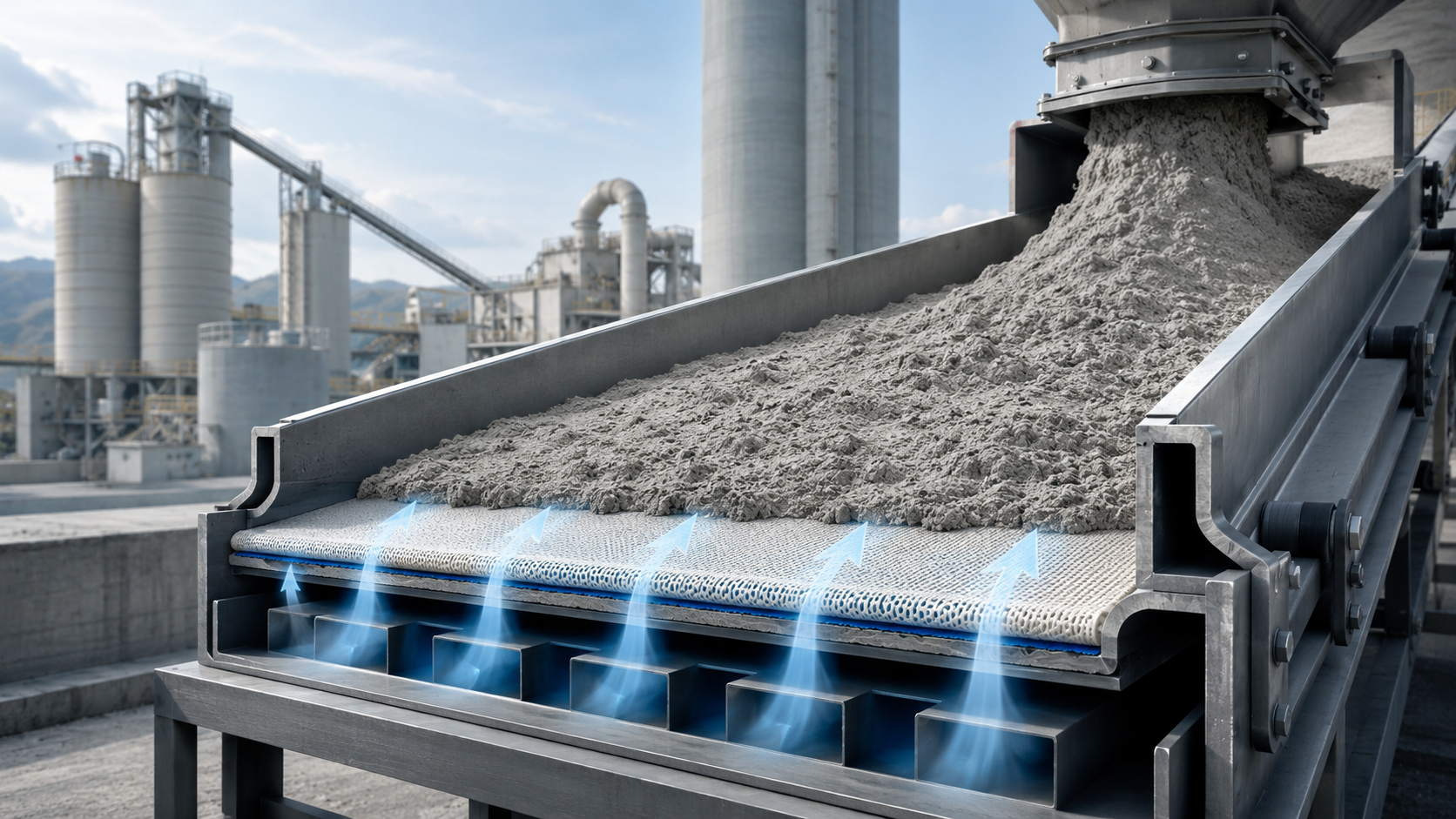
Airslide Fabric represents a significant advancement in the realm of material transport, particularly within industrial settings. This innovative fabric utilizes pneumatic conveying systems to facilitate the movement of bulk materials with remarkable efficiency. By leveraging a unique design that allows air to flow through the fabric, Airslide systems enable smooth, continuous transport without the need for mechanical components. This reduces maintenance requirements and energy consumption, making it an eco-friendly choice for manufacturers.
The versatility of Airslide Fabric extends to various applications, from cement and grain to plastics and chemicals. Its ability to handle diverse materials while maintaining operational efficiency is a game changer for industries seeking to optimize their material handling processes. Additionally, Airslide systems can be easily integrated into existing setups, providing a cost-effective solution for enhancing productivity.
As industries increasingly prioritize efficiency and sustainability, Airslide Fabric stands out as a transformative option. Understanding its mechanics, benefits, and applications will empower industrial engineers and material handling professionals to make informed decisions that can significantly impact their operations.
Airslide Fabric
Airslide Fabric has emerged as a groundbreaking solution in the field of material transport, revolutionizing how industries manage bulk materials. This innovative fabric is specifically designed to facilitate the pneumatic conveying of various substances, providing a reliable and efficient alternative to traditional transport methods. By utilizing the principles of fluid dynamics, Airslide Fabric enables the movement of materials with minimal energy consumption and reduced wear on equipment.
The core principle behind Airslide Fabric is its ability to allow air to permeate through its porous structure. This airflow creates a fluidized bed effect, lifting the material and allowing it to glide effortlessly along the surface. This method not only enhances efficiency but also minimizes the risk of material degradation, ensuring that products remain intact during transport.
One of the most significant advantages of Airslide Fabric is its versatility. Industries ranging from food processing to pharmaceuticals and construction benefit from its application. Whether transporting powders, granules, or pellets, Airslide systems adapt easily to various materials and operational requirements. This adaptability makes it a favored choice among manufacturers looking to streamline their processes.
In addition to improving efficiency, Airslide Fabric also addresses environmental concerns. Traditional material handling systems often consume large amounts of energy and can contribute to dust emissions. In contrast, Airslide systems operate with lower energy requirements and significantly reduce the release of airborne particles. This eco-friendly approach aligns with the growing emphasis on sustainability within industrial operations.
Moreover, the ease of installation and integration into existing systems makes Airslide Fabric an attractive option for businesses seeking to upgrade their material handling capabilities without extensive downtime or costly modifications. Many manufacturers find that incorporating Airslide systems leads to increased productivity and reduced operational costs.
As industries continue to evolve and demand higher efficiency, the role of Airslide Fabric in material transport becomes increasingly important. By understanding its mechanics and benefits, industrial engineers and material handling professionals can leverage this technology to optimize their operations, enhance productivity, and maintain a competitive edge in the market. Embracing innovations like Airslide Fabric is essential for adapting to the dynamic needs of modern manufacturing and logistics.
Understanding the Basics of Pneumatic Conveying
Pneumatic conveying is a method used to transport bulk materials through pipelines using air or other gases. This system employs the principles of fluid dynamics to create a streamlined process that enhances efficiency and reduces handling costs. By understanding the fundamentals of pneumatic conveying, professionals can better appreciate how technologies like Airslide Fabric fit into the broader landscape of material transport.
At its core, pneumatic conveying relies on the generation of airflow to move materials from one point to another. The system consists of a blower or compressor that creates a pressure differential within the pipeline. This difference in pressure allows materials to be carried by the airstream, either in a dense or dilute phase. In dense phase conveying, materials travel in a concentrated mass with less air, ideal for heavy, granular substances. In contrast, dilute phase conveying uses a higher air-to-material ratio, allowing lighter materials to be transported over longer distances.
One of the primary advantages of pneumatic conveying is its ability to handle a wide variety of materials, including powders, granules, and pellets. This versatility makes it suitable for many industries, from food processing and pharmaceuticals to construction and mining. By customizing the conveying system to suit specific material characteristics, engineers can optimize the process for maximum efficiency.
Another significant benefit is the reduced risk of contamination. Traditional material handling methods often involve mechanical equipment that can introduce dirt or debris into the materials being transported. Pneumatic conveying minimizes this risk by containing materials within a closed system. This feature is especially crucial in industries with strict hygiene standards, such as food and pharmaceuticals, where maintaining product integrity is paramount.
Pneumatic conveying systems also promote safety in the workplace. Since materials remain enclosed during transport, the likelihood of spills or accidents decreases significantly. Additionally, these systems can be designed to mitigate hazards associated with dust generation, which poses risks to both equipment and worker health. Effective dust control not only enhances safety but also contributes to a cleaner working environment.
Energy efficiency is another critical consideration. Pneumatic conveying systems typically consume less energy compared to mechanical systems, as they rely on air pressure rather than moving parts. This efficiency translates into cost savings over time, making pneumatic systems a more sustainable choice for many operations. By integrating technologies like Airslide Fabric into pneumatic conveying setups, companies can further enhance energy savings and overall performance.
When designing a pneumatic conveying system, engineers must consider several factors, including material characteristics, conveying distance, and system layout. Understanding the flow properties of the materials being transported—such as particle size, density, and moisture content—plays a vital role in selecting the appropriate conveying method. Additionally, system configuration, including bends and elevation changes, impacts the efficiency and effectiveness of material transport.
Regular maintenance is essential for ensuring optimal performance in pneumatic conveying systems. Routine checks of the blower, pipelines, and filtration systems help prevent blockages and ensure consistent airflow. By implementing a proactive maintenance schedule, operators can minimize downtime and extend the lifespan of their equipment.
The Mechanics of Airslide Systems
Airslide systems utilize a unique design that integrates the principles of pneumatic conveying to move bulk materials efficiently. Understanding the mechanics behind these systems reveals why they are transforming material transport in various industries.
At the heart of an Airslide system is Airslide Fabric, a specialized material engineered to allow air to flow through its porous structure. This airflow is critical, as it creates a fluidized bed effect that lifts and moves the bulk material across the fabric’s surface. The mechanics begin with the introduction of compressed air, which permeates the fabric, generating a cushion that reduces friction between the material and the surface. This setup minimizes wear and tear on both the materials being transported and the conveying equipment.
While pneumatic systems like Airslide Fabric are innovative, traditional methods also play a crucial role in material handling. Conveyor belts operate on a simple yet effective mechanism, utilizing a continuous loop of material that transports items efficiently across various distances. Airslide systems operate effectively in two phases: the conveying phase and the discharge phase. During the conveying phase, the compressed air flows through the Airslide Fabric, allowing the material to glide smoothly. The system can transport various materials, including powders, granules, and pellets, without the need for mechanical aids. This feature is particularly beneficial in settings where material degradation could occur with traditional handling methods.
In the discharge phase, the system allows for controlled release of the transported materials. The design of the Airslide system ensures that materials exit smoothly and evenly, reducing the risk of blockages or jamming. This capability is essential for maintaining efficiency and productivity, as operators can rely on consistent material flow without frequent interruptions.
Airslide systems also boast a modular design that allows for easy customization. Engineers can tailor the length, width, and incline of the system to meet specific operational needs. This adaptability is crucial for facilities that handle various materials and require flexible solutions. Additionally, Airslide systems can integrate seamlessly into existing infrastructure, minimizing downtime during installation and reducing overall operational costs.
One of the standout features of Airslide systems is their low maintenance requirements. With fewer moving parts compared to traditional mechanical systems, the risk of breakdowns decreases significantly. Operators can perform routine checks on the air supply and fabric condition, ensuring optimal performance without extensive upkeep. This reliability translates into significant time and cost savings for manufacturers.
Safety is another critical aspect of Airslide systems. By operating within a closed system, these setups minimize dust emissions and reduce the risk of contamination. This characteristic is particularly advantageous in industries like food processing, pharmaceuticals, and chemicals, where maintaining product quality is paramount. Furthermore, the enclosed nature of the system enhances workplace safety by lowering the likelihood of spills and accidents.
The efficiency of Airslide systems extends to energy consumption as well. Since these systems use air as a primary means of transport, they require less energy compared to traditional mechanical conveying methods. This energy efficiency not only helps reduce operational costs but also aligns with sustainability goals, making Airslide systems an eco-friendly choice for modern manufacturing.
Understanding the mechanics of Airslide systems provides valuable insights into their role in enhancing material transport efficiency. By leveraging air flow and reducing friction, these systems optimize the movement of bulk materials while ensuring safety and reliability. As industries continue to evolve, the adoption of Airslide technology will play a crucial role in improving productivity and sustainability in material handling processes. The future of material transport looks promising with innovations like Airslide systems leading the way.
Key Benefits of Using Airslide Fabric
Airslide Fabric offers numerous advantages for industries seeking to improve their material transport processes. By understanding these benefits, professionals can make informed decisions about integrating this technology into their operations. Here are the key advantages of using Airslide Fabric:
- Airslide Fabric significantly boosts the efficiency of material transport systems. The unique design allows air to flow through the fabric, creating a fluidized bed effect that enables materials to glide smoothly. This reduces friction, allowing for faster and more reliable transportation compared to traditional methods. The system minimizes the energy required for movement, contributing to overall operational efficiency.
- Airslide Fabric excels in its ability to handle a wide range of materials, including powders, granules, and pellets. This versatility makes it suitable for various industries, such as food processing, pharmaceuticals, chemicals, and construction. Manufacturers can easily adapt Airslide systems to their specific needs, accommodating different material types and handling requirements without significant modifications.
- One of the standout benefits of Airslide Fabric is its low maintenance requirement. With fewer moving parts than mechanical systems, Airslide systems experience fewer breakdowns and require less frequent repairs. Routine maintenance focuses primarily on air supply and fabric condition, leading to less downtime. This reliability translates into cost savings and increased productivity, allowing operations to run smoothly with minimal interruptions.
- Airslide systems operate within a closed framework, significantly reducing dust emissions and contamination risks. This feature is especially important in industries with stringent hygiene standards, such as food and pharmaceuticals. By containing materials during transport, Airslide Fabric helps maintain a cleaner working environment, enhancing overall safety. Furthermore, the reduced risk of spills and accidents contributes to a safer workplace for employees.
- The eco-friendly nature of Airslide Fabric aligns with modern sustainability goals. These systems consume less energy compared to traditional mechanical conveying methods, helping businesses lower their carbon footprint. By utilizing air for transport, companies can significantly reduce their energy costs while promoting environmentally responsible practices. This focus on sustainability not only benefits the planet but also enhances a company’s reputation in an increasingly eco-conscious market.
Airslide Fabric presents a compelling case for improving material transport efficiency in various industries. Its enhanced efficiency, versatility, low maintenance requirements, safety benefits, and sustainability make it an attractive choice for manufacturers. By embracing this innovative technology, companies can optimize their operations, reduce costs, and maintain a competitive edge in today’s fast-paced industrial landscape. As the demand for efficient and eco-friendly solutions continues to grow, the role of Airslide Fabric in revolutionizing material transport will only become more significant.
Applications in Bulk Material Transport
Airslide Fabric has proven its worth in a variety of applications within the bulk material transport sector. Its innovative design and efficiency make it an ideal choice for industries that require reliable and effective material handling solutions. Here are some of the key applications where Airslide systems excel.
One of the most prominent applications of Airslide Fabric is in the cement industry. Cement manufacturing involves the handling of fine powders, which can be challenging due to their tendency to clump or create dust. Airslide systems enable smooth transport of cement and other powdered materials, minimizing dust emissions and ensuring a clean and efficient operation. The ability to maintain a steady flow also enhances production rates and reduces downtime associated with material handling.
In the food processing sector, Airslide Fabric finds extensive use in transporting various ingredients, such as flour, sugar, and additives. The enclosed design of Airslide systems helps maintain product integrity by reducing contamination risks. Industries with strict hygiene standards benefit from this feature, ensuring compliance with regulations while optimizing efficiency. Additionally, the gentle handling of materials minimizes degradation, preserving the quality of the final product.
The pharmaceutical industry also leverages the advantages of Airslide systems for transporting powders and granules. Precise handling of materials is crucial in this sector, where contamination can have serious implications. Airslide Fabric’s ability to provide a closed transport environment ensures that sensitive materials remain uncontaminated during movement. Moreover, the ease of integration into existing processes allows pharmaceutical manufacturers to streamline their operations without significant investment in new equipment.
In the chemical industry, Airslide systems transport a variety of materials, including polymers, fertilizers, and additives. The durability of Airslide Fabric can withstand the harsh conditions often present in chemical processing environments. These systems offer a reliable solution for moving abrasive and corrosive materials while reducing the risk of equipment wear and maintenance costs. By providing efficient transport, Airslide systems help manufacturers maintain productivity and control operational expenses.
Another key application is in mining and minerals processing. Airslide Fabric efficiently moves bulk materials such as ore, coal, and minerals through processing plants. The ability to handle heavy, granular materials makes Airslide systems ideal for this sector. Additionally, the reduction in dust generation helps maintain a safer working environment for employees. This application highlights the versatility of Airslide technology, as it adapts well to different types of materials and operational conditions.
Airslide systems are also gaining traction in recycling facilities, where they facilitate the transport of various recyclable materials. The ability to manage diverse materials, from plastics to metals, makes Airslide Fabric an attractive option for recycling operations. These systems help streamline the sorting and processing of recyclables, improving efficiency and reducing the environmental impact of waste management.
Airslide Fabric plays a crucial role in bulk material transport across various industries. Its applications in cement, food processing, pharmaceuticals, chemicals, mining, and recycling showcase its versatility and efficiency. By adopting Airslide systems, businesses can optimize their material handling processes, reduce contamination risks, and enhance productivity. As industries continue to evolve, the demand for efficient and reliable transport solutions will drive the adoption of innovative technologies like Airslide Fabric.
Designing Efficient Airslide Systems
Designing efficient Airslide systems requires a keen understanding of both the materials being transported and the operational environment. A well-optimized system can significantly enhance productivity and minimize downtime. Here are key considerations and best practices for creating effective Airslide systems.
First, understanding material properties is essential. Different materials have unique characteristics, including particle size, density, flowability, and moisture content. Conducting thorough material testing helps determine how well a specific substance will move through the Airslide system. For instance, finer powders may require adjustments in airflow and fabric design to ensure smooth transport without clogging. Knowing these properties allows engineers to tailor the system for optimal performance.
Next, airflow management plays a critical role in the efficiency of Airslide systems. The air supply must be carefully calibrated to provide the right pressure and volume. Insufficient airflow can lead to material blockages, while excessive airflow may cause dust and degradation. Engineers should use tools like flow meters and pressure gauges to monitor and adjust airflow as needed. An effective design often incorporates adjustable air supply mechanisms, allowing for real-time modifications based on material flow conditions.
System layout is another crucial aspect of designing Airslide systems. The configuration of the system should facilitate a smooth and continuous flow of materials. Minimizing bends and elevation changes reduces resistance and maintains airflow efficiency. When planning the layout, engineers should also consider the proximity of the Airslide system to other equipment, such as silos or mixers, to ensure seamless integration. A well-designed layout promotes efficient material handling and reduces the risk of bottlenecks.
Incorporating modular components enhances the flexibility of Airslide systems. A modular design allows for easy adjustments and expansions as operational needs change. For example, if a facility decides to handle new materials, the Airslide system can be reconfigured without a complete redesign. This adaptability is vital for industries where product lines frequently change or grow.
Another important consideration is maintenance accessibility. Designing Airslide systems with easy access to key components ensures that operators can perform routine checks and maintenance with minimal disruption. Regular maintenance is essential for maintaining system performance and longevity. Including features like inspection ports and removable panels allows for quick access to the air supply, fabric condition, and other critical elements.
Dust control measures must be integrated into the design. Airslide systems can generate dust during operation, especially when handling fine powders. Implementing effective dust collection systems, such as filters and separators, minimizes airborne particles, ensuring a safer working environment. These measures also contribute to compliance with health and safety regulations.
Lastly, testing and validation of the Airslide system before full-scale implementation is crucial. Pilot testing allows engineers to evaluate performance under real-world conditions, identifying any potential issues that may arise during operation. This phase provides valuable insights, enabling adjustments to be made before finalizing the design.
Designing efficient Airslide systems involves a comprehensive approach that considers material properties, airflow management, system layout, modularity, maintenance accessibility, dust control, and thorough testing. By focusing on these elements, engineers can create robust Airslide systems that enhance material transport efficiency while reducing costs and operational challenges. As industries continue to evolve, the demand for well-designed Airslide systems will play a vital role in optimizing material handling processes across various sectors.
Maintenance and Durability
Airslide Fabric stands out for its effectiveness in bulk material transport, but ensuring its longevity and performance requires proper maintenance practices. Understanding how to care for Airslide systems can enhance their durability and efficiency, leading to smoother operations and reduced costs.
First, regular inspections play a crucial role in maintaining Airslide Fabric. Operators should schedule routine checks to assess the condition of the fabric and the overall system. Look for signs of wear, tear, or damage, especially in areas that experience high friction or stress. Early detection of issues allows for timely repairs or replacements, preventing more significant problems down the line.
Another critical aspect of maintenance involves monitoring the air supply system. The effectiveness of Airslide systems relies heavily on proper airflow. Regularly check the air compressors and blowers to ensure they operate efficiently. Inspect hoses and connections for leaks, as any loss of pressure can impact the system’s performance. Keeping the air supply consistent ensures that materials flow smoothly, reducing the risk of blockages or operational disruptions.
Cleaning the Airslide Fabric is also essential for maintaining its performance. Accumulated dust or material residues can hinder airflow and affect the fabric’s efficiency. Implement a regular cleaning schedule using appropriate methods that do not damage the fabric. For example, using a soft brush or vacuum can help remove debris without compromising the integrity of the material. Keeping the fabric clean enhances airflow and prolongs its lifespan.
Environmental factors can impact the durability of Airslide Fabric. Exposure to harsh chemicals, extreme temperatures, or moisture can degrade the material over time. When designing Airslide systems, consider the operational environment and select fabrics specifically engineered for those conditions. For example, specialized coatings or treatments can enhance resistance to abrasion, chemicals, or moisture, extending the fabric’s lifespan.
In addition to environmental considerations, operator training plays a vital role in the maintenance and durability of Airslide systems. Ensure that all personnel involved in operating and maintaining the system understand its components and how to care for them. Proper training reduces the likelihood of misuse or neglect, which can lead to premature wear and tear. Encourage operators to report any unusual sounds or performance issues immediately, allowing for prompt attention and resolution.
Implementing a preventive maintenance program can significantly enhance the reliability of Airslide systems. This program should include scheduled inspections, air supply checks, fabric cleaning, and operator training sessions. By proactively addressing potential issues, businesses can minimize downtime and extend the lifespan of their Airslide Fabric. Keeping detailed maintenance logs helps track performance and identify patterns that may indicate the need for adjustments or upgrades.
Finally, selecting high-quality Airslide Fabric from reputable suppliers ensures durability. Investing in superior materials may involve a higher upfront cost, but it pays off in the long run through reduced maintenance and replacement needs. When choosing fabric, consider factors such as strength, permeability, and resistance to abrasion or chemicals, depending on the specific application.
Future Trends
The landscape of material transport is rapidly evolving, driven by technological advancements and changing industry demands. As companies seek greater efficiency and sustainability, Airslide Fabric is poised to play a pivotal role in these future trends.
One significant trend is the increasing focus on automation and smart technologies. Industries are integrating automated systems to enhance operational efficiency and reduce human error. Airslide systems can easily be incorporated into automated environments, allowing for seamless material handling and real-time monitoring. Sensors can provide data on airflow, material flow rates, and system performance, enabling operators to make informed decisions and optimize processes.
Sustainability remains a key priority across all sectors. As companies strive to reduce their carbon footprints, Airslide Fabric’s energy-efficient operation becomes more appealing. With its low energy consumption compared to traditional mechanical systems, Airslide technology aligns with the global push toward greener practices. Future innovations may include the development of even more eco-friendly materials for Airslide Fabric, further enhancing its appeal in sustainable manufacturing.
Another emerging trend is the demand for flexibility and adaptability in material handling systems. As industries face fluctuating demands and diverse product lines, Airslide systems can be designed to accommodate various materials and configurations. The modular nature of these systems allows for quick adjustments, ensuring that businesses can respond effectively to changing market conditions without extensive downtime.
Industry 4.0 is also influencing material transport, with a strong emphasis on interconnectedness and data-driven decision-making. Airslide systems can benefit from integration into broader smart manufacturing ecosystems, where data from various sources is analyzed to enhance operational efficiency. This connectivity enables predictive maintenance, allowing companies to anticipate and address issues before they lead to failures, thus reducing downtime and operational costs.
Lastly, the ongoing evolution of regulatory standards will impact material transport systems, including Airslide technology. Industries must comply with increasingly stringent regulations regarding safety and environmental impact. Airslide Fabric’s enclosed transport system reduces dust emissions and contamination risks, making it a favorable option for companies aiming to meet these standards. Future innovations may focus on improving compliance features, ensuring that Airslide systems remain at the forefront of industry standards.
Conclusion
Airslide Fabric represents a transformative solution in the realm of material transport, offering significant benefits that cater to the evolving demands of various industries. As we’ve explored, its unique design and functionality enhance efficiency, reduce maintenance requirements, and improve safety, making it an ideal choice for bulk material handling across sectors such as cement, food processing, pharmaceuticals, chemicals, and recycling.
The mechanics of Airslide systems, powered by the flow of air through the specially engineered fabric, allow materials to glide smoothly while minimizing wear and friction. This efficiency translates directly into increased productivity and reduced operational costs, making Airslide Fabric a valuable asset for manufacturers aiming to streamline their processes. Additionally, the fabric’s ability to operate within a closed system significantly reduces dust emissions and contamination risks, ensuring a cleaner and safer working environment.
Looking ahead, the future of material transport is poised for substantial advancements. With trends such as automation, sustainability, and flexibility shaping the landscape, Airslide systems will undoubtedly evolve to meet these new challenges. The integration of smart technologies and Industry 4.0 principles will enhance the capabilities of Airslide systems, allowing for real-time monitoring and predictive maintenance that can further optimize operations.
Moreover, as companies increasingly prioritize sustainability, Airslide Fabric’s energy-efficient operation positions it as a forward-thinking solution. Its potential for adaptation to various materials and configurations ensures that it can meet the changing needs of industries, allowing businesses to remain agile in a dynamic market environment.
The role of Airslide Fabric in revolutionizing material transport cannot be overstated. By investing in this innovative technology, companies can significantly improve their material handling processes while aligning with the broader goals of efficiency and sustainability. As industries continue to innovate and adapt to new challenges, Airslide systems will remain at the forefront of material transport solutions, driving productivity and enhancing safety in workplaces around the globe. The ongoing advancements in Airslide technology will not only redefine how materials are moved but also contribute to a more sustainable and efficient future in manufacturing and beyond. Embracing these innovations will be crucial for businesses looking to maintain a competitive edge in an increasingly complex and demanding landscape.
Frequently Asked Questions
What is Airslide Fabric?
Airslide Fabric is a porous material used for efficient pneumatic conveying of bulk materials.
What are the main benefits of using Airslide systems?
Benefits include improved efficiency, lower maintenance, enhanced safety, and versatility in handling materials.
In which industries is Airslide Fabric commonly used?
It’s used in cement, food processing, pharmaceuticals, chemicals, and recycling.
How does maintenance affect the performance of Airslide systems?
Regular maintenance keeps airflow optimal and prevents wear, enhancing system longevity and efficiency.
What trends are shaping the future of Airslide technology?
Key trends include automation, sustainability, and smart technology integration for improved performance.
