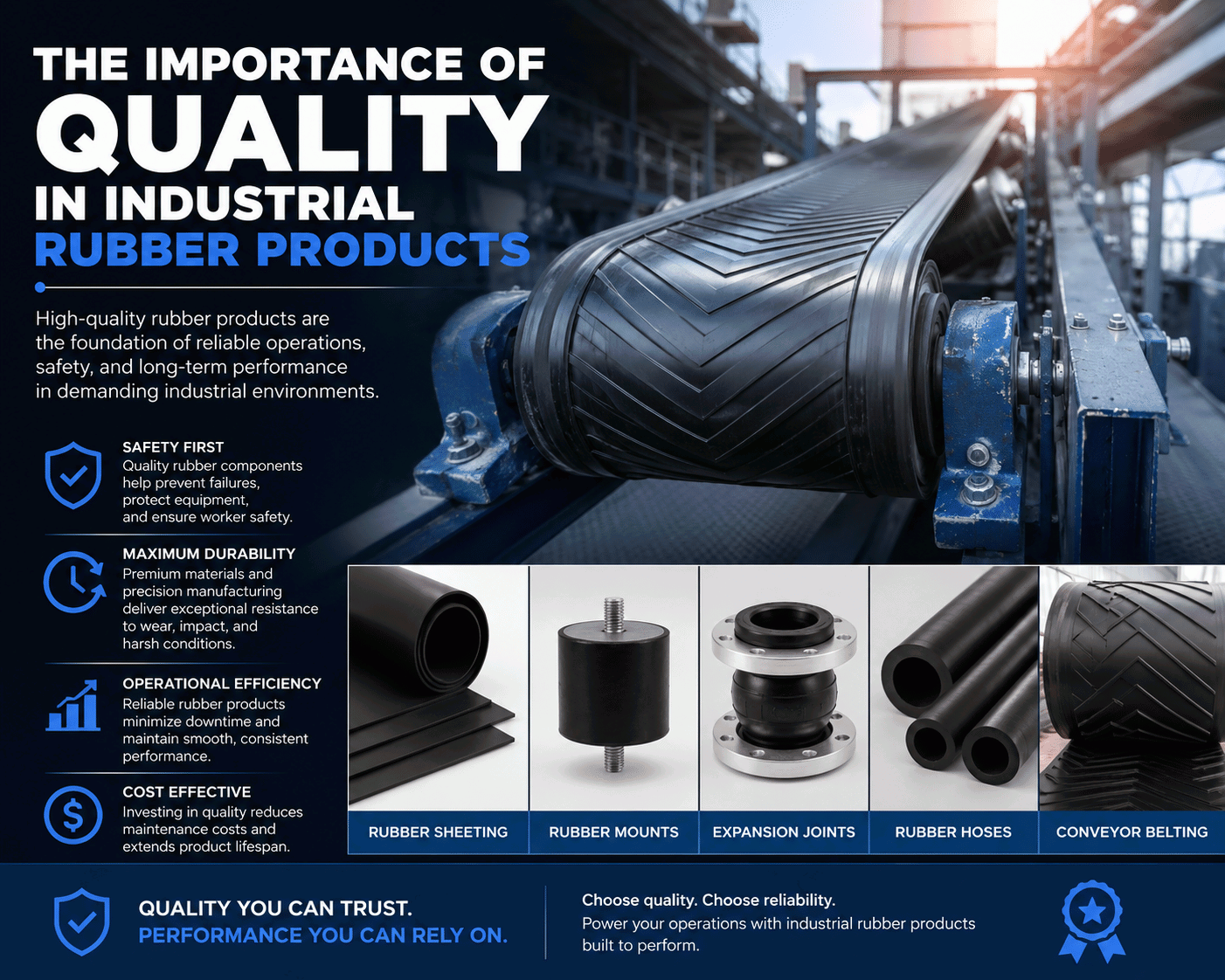
Innovations in Conveyor Design: The Rise of Hose Belt Conveyors
Conveyor systems have been an integral part of industries for decades. From the bustling factories of the industrial revolution to the high-tech manufacturing units of today, conveyors have been the silent workhorses, ensuring that materials move smoothly and operations run seamlessly. Among the myriad of conveyor designs, the hose belt conveyor is emerging as a game-changer, promising enhanced efficiency and safety.
The Evolution of Conveyor Systems
To appreciate the innovation that hose belt conveyors bring, it’s essential to understand the journey of conveyor systems. The earliest conveyor belts were used in the late 19th century, primarily in coal mines. They were simple systems, often made of leather or rubber belts and wooden slats. Over the years, as industries expanded and demands grew, the need for more efficient conveyor systems became evident. This led to the development of various designs, each catering to specific industrial needs.
Decoding the Hose Belt Conveyor
At its core, the hose belt conveyor is a marvel of engineering. Unlike traditional flat belts, this conveyor uses a foldable belt with thickened parts at its longitudinal edges. When folded, it forms a V-shape, a design that is as functional as it is innovative. This V-shape is not just for aesthetics; it plays a crucial role in driving the conveyor, ensuring that operations are smoother and more efficient.
The Impact on Industrial Efficiency
The hose belt conveyor’s design offers several advantages. Firstly, the V-shape ensures a more uniform distribution of weight, reducing wear and tear. This not only extends the conveyor’s lifespan but also reduces maintenance costs. Furthermore, the design minimizes the chances of material spillage, a common issue with flat belt conveyors. This ensures that materials are transported more efficiently, reducing wastage and improving overall operational efficiency.
Safety: A Paramount Concern
In any industry, the safety of workers is the top priority. Traditional conveyor systems, while efficient, often posed safety risks. Belts could snap, materials could spill, and the moving parts posed a hazard. The hose belt conveyor, with its innovative design, addresses many of these concerns. The V-shape design ensures the belt remains taut, reducing the chances of snapping. Moreover, the foldable nature of the belt, with fewer sharp edges, minimizes potential hazards, ensuring a safer working environment.
The Digital Revolution: Sourcing Conveyor Components Online
The digital age has transformed how industries operate, and the world of conveyor systems is no exception. With online stores like “THE BELT & HOSE & MORE STORE,” industries can now source essential components with a click of a button. This shift to online sourcing offers multiple benefits. Not only does it ensure faster delivery, but it also provides a wider range of options, ensuring that industries can find the exact component they need.
The Environmental Angle
Modern industries are increasingly conscious of their environmental footprint. Hose belt conveyors, with their efficient design, play a role in this. By reducing material spillage, they minimize waste. Furthermore, their efficient design means they consume less power, reducing the industry’s carbon footprint.
Conclusion
The hose belt conveyor is more than just a conveyor system; it’s a testament to the spirit of innovation that drives modern industries. As industries evolve and the demands for efficiency and safety grow, systems like the hose belt conveyor will be at the forefront, driving change and setting new standards.
Frequently Asked Questions
What distinguishes a hose belt conveyor from traditional conveyor systems?
A hose belt conveyor utilizes a unique foldable belt with thickened parts at its longitudinal edges. When folded, this belt forms a V-shape, which aids in driving the conveyor. This design is not only innovative but also enhances operational efficiency and safety, setting it apart from traditional flat belt conveyors.
How does the V-shape design of the hose belt conveyor improve operational efficiency?
The V-shape design of the hose belt conveyor ensures a more uniform distribution of weight, reducing wear and tear on the system. This design also minimizes the chances of material spillage, a common issue with flat belt conveyors. As a result, materials are transported more efficiently, reducing wastage and improving overall operational efficiency.
Are hose belt conveyors safer than traditional conveyor systems?
Yes, hose belt conveyors are designed with safety in mind. The V-shape ensures the belt remains taut, reducing the chances of snapping. Additionally, the foldable nature of the belt, with fewer sharp edges, minimizes potential hazards, ensuring a safer working environment compared to some traditional conveyor systems.
With the rise of online sourcing, how has the maintenance of hose belt conveyors evolved?
The digital age has transformed maintenance dynamics for industries. With online stores offering conveyor components, industries can now source essential parts faster and often at competitive prices. This ease of sourcing ensures that hose belt conveyors can be maintained and repaired promptly, reducing downtime and enhancing operational efficiency.